

Primary intent: informational. The article is designed for readers who want to understand AI-generated synthetic media, the technology behind it, and the privacy, consent, safety, legal, and ethical issues surrounding it.
Recommended primary keyword: AI-generated adult content. Related terms: synthetic media, generative AI, AI deepfakes, non-consensual imagery, privacy and consent, AI ethics, synthetic media risks.
Important SEO principle: there is no guaranteed Google ‘pass’ score based on keyword density or word count. Google says its systems prioritize helpful, reliable, people-first content and encourages original research, clear sourcing, expertise, and substantial value.
AI-Generated Synthetic Media: What It Means
Generative artificial intelligence can create or transform text, images, audio, and video from instructions or other input. When the resulting material is synthetic or substantially AI-altered, it can be described as synthetic media. The technology can be useful for creative work and experimentation, but it also raises difficult questions about identity, consent, privacy, authenticity, and accountability.
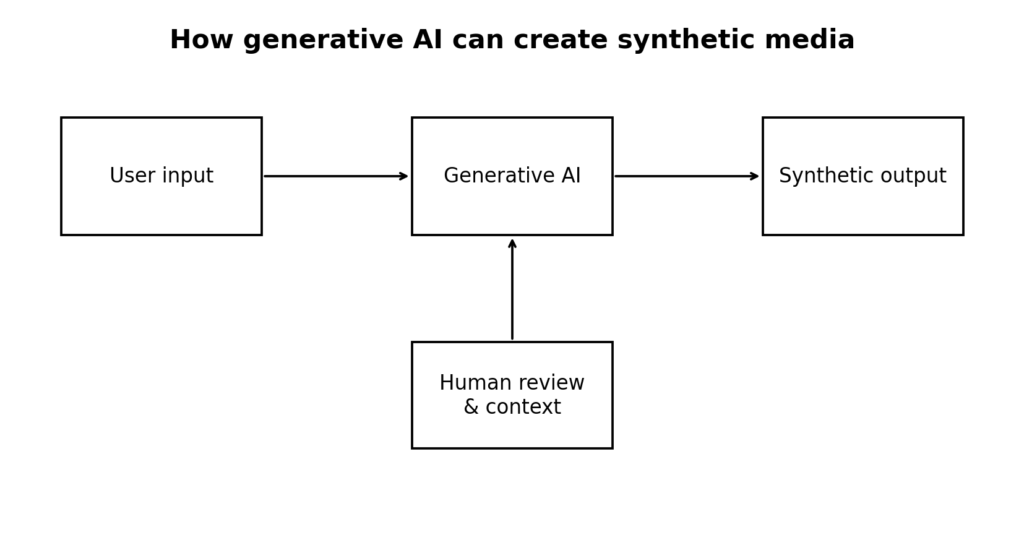
Figure 1. Simplified, original illustration of a synthetic-media workflow.
Why AI-Generated Synthetic Media Is Growing
Generative AI tools have become easier to access and more capable across multiple media types. ai-generated synthetic media that makes synthetic content a mainstream technology issue rather than a niche technical subject. At the same time, regulation and platform policies are evolving, so claims about what is legal or allowed should always be checked against current, jurisdiction-specific sources.
UNESCO‘s guidance on generative AI emphasizes human-centred use, data privacy, age-appropriate approaches, and ethical validation. Its AI ethics recommendation also highlights human rights, dignity, transparency, fairness, and human oversight.
How AI-Generated Synthetic Media Is Created
At a high level, a generative model learns statistical patterns from large collections of training data. A user supplies an instruction or source material, and the model produces an output that matches patterns it has learned. Modern systems may combine text, image, audio, and video capabilities.
The important point for readers is that an AI-generated result is not automatically evidence of a real event or a real person’s participation. Synthetic media can look or sound convincing while still being entirely fabricated or heavily altered.
Privacy and Consent Concerns in AI-Generated Synthetic Media
Consent is a central issue whenever synthetic media involves an identifiable person. Using a person’s likeness, identity, voice, or personal data without permission can create privacy, reputation, safety, and legal problems. The risks become especially serious when intimate or sensitive material is involved.
The U.S. Federal Trade Commission explains that image-based abuse can involve real, digitally altered, or AI-generated deepfake material shared without a person’s consent. Its consumer guidance also notes that such material can spread quickly and cause lasting harm.
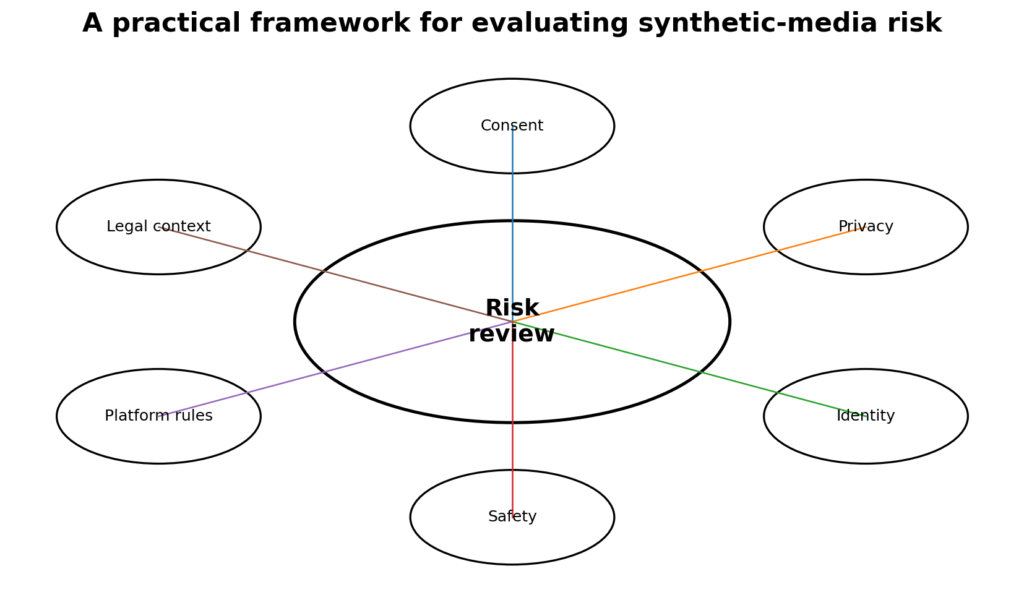
Figure 2. Original risk-review framework for evaluating synthetic-media projects.
Deepfakes and Identity Misuse
A deepfake is synthetic or manipulated media designed to make a person appear to say or do something that did not actually happen. The same underlying technology can be used for harmless creative effects or for harmful impersonation. The distinction depends on context, consent, disclosure, and the effect on the people represented.
The FTC has specifically discussed AI-enabled impersonation as an emerging consumer-protection problem. Its work on AI voice cloning also frames prevention, authentication, detection, and post-use evaluation as important intervention points.
Legal and Platform Considerations
There is no single worldwide rule covering every form of synthetic media. Laws can differ by country, state, subject matter, and whether the material involves impersonation, privacy, fraud, copyright, or non-consensual imagery. Platform rules can also change independently of legislation.
For that reason, an article should avoid absolute statements such as ‘AI-generated content is legal everywhere’ or ‘this type of content is banned everywhere.’ A better approach is to explain the issue and link directly to current official rules or regulators.
How to Evaluate an AI Tool or Synthetic-Media Claim
- Check the provider’s privacy policy and data-use terms.
- Look for clear information about retention, training use, and deletion.
- Check whether the service has safeguards for identity misuse and non-consensual material.
- Do not assume an AI output is authentic simply because it looks realistic.
- Verify important claims using authoritative sources rather than social posts alone.
- For legal questions, check the current law or regulator in the relevant jurisdiction.
Research Method: What Sources Should Be Used?
A strong article should use a source hierarchy. Government and regulatory sources are best for consumer-protection and legal claims; academic research is valuable for technical and social evidence; official platform documentation is useful for current rules; reputable journalism can provide context. Reddit and YouTube can help discover questions and viewpoints, but they should not normally be treated as proof of a factual claim.
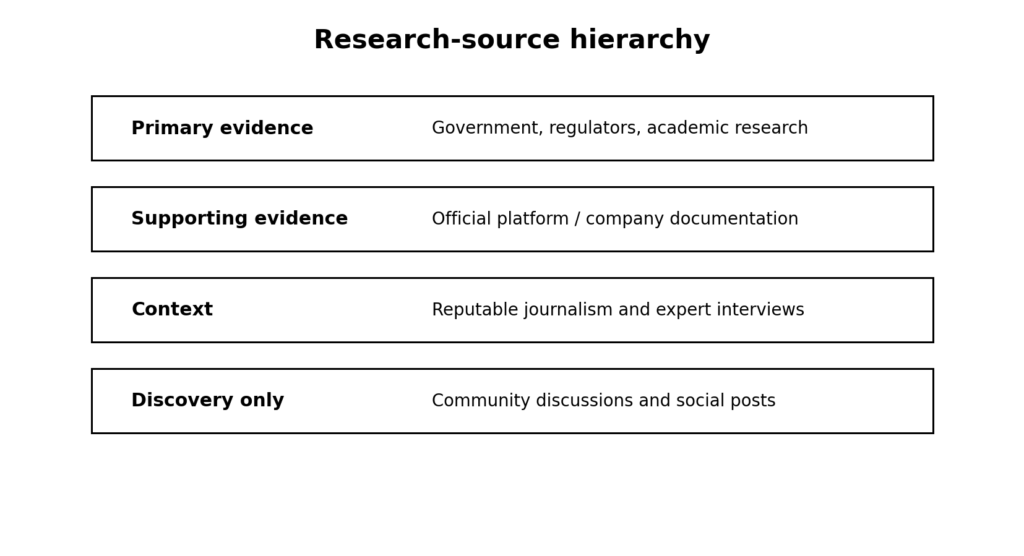
Figure 3. Original source hierarchy for research and citation decisions.
SEO Structure for Publishing
- Use one clear H1 that accurately describes the article.
- Use H2 headings for major questions and H3 headings only where they improve navigation.
- Place the primary keyword naturally in the title, introduction, and relevant headings; avoid stuffing.
- Add a descriptive meta title and meta description based on the actual content.
- Add internal links to related privacy, AI, cybersecurity, and digital-safety pages on the same site.
- Use authoritative external links where a claim needs evidence.
- Add a byline and, where appropriate, an author/about page that explains expertise.
- Add a visible updated date when the article is genuinely reviewed or materially updated.
- Use original diagrams or properly licensed images with useful alt text.
- Do not write to an arbitrary word count. Google explicitly says there is no preferred word count.
Frequently Asked Questions
What is synthetic media?
Synthetic media is content that is generated or substantially altered using computational or AI systems. It can include text, images, audio, and video.
Why is consent important with AI-generated media?
Consent helps protect people’s privacy, identity, dignity, and control over how their likeness or personal information is used.
Can AI-generated media be misleading?
Yes. Synthetic media can appear realistic even when it does not represent a real event or statement, so important claims should be independently verified.
Are the rules the same everywhere?
No. Laws and platform policies vary by jurisdiction and can change over time. Current official sources should be checked for specific legal questions.
Is Reddit a reliable research source?
Reddit can reveal real questions and community perspectives, but individual comments are anecdotal. Important factual claims should be confirmed through stronger sources.
[…] feature set with 5D AI massage […]
[…] Artificial Intelligence is transforming how small businesses operate. From writing content and designing graphics to automating workflows and improving customer relationships, AI tools are helping entrepreneurs work smarter rather than harder. […]